Practical Construction Guide Options
Enhance Your Home: Key Information About Home Remodeling Services for All Property Owners
Homeowners often seek options to upgrade their living spaces by using renovation services. Such undertakings may vary from kitchen upgrades to entire residential overhauls. Understanding the options available is crucial for choosing intelligently. Additionally, there are real-world factors such as setting a budget and contractor selection. When property owners embark on this process, they may run into surprising obstacles. The key to a successful transformation requires meticulous preparation and performance. What should be done subsequently?
Knowing the Various Categories of Residential Renovation Work
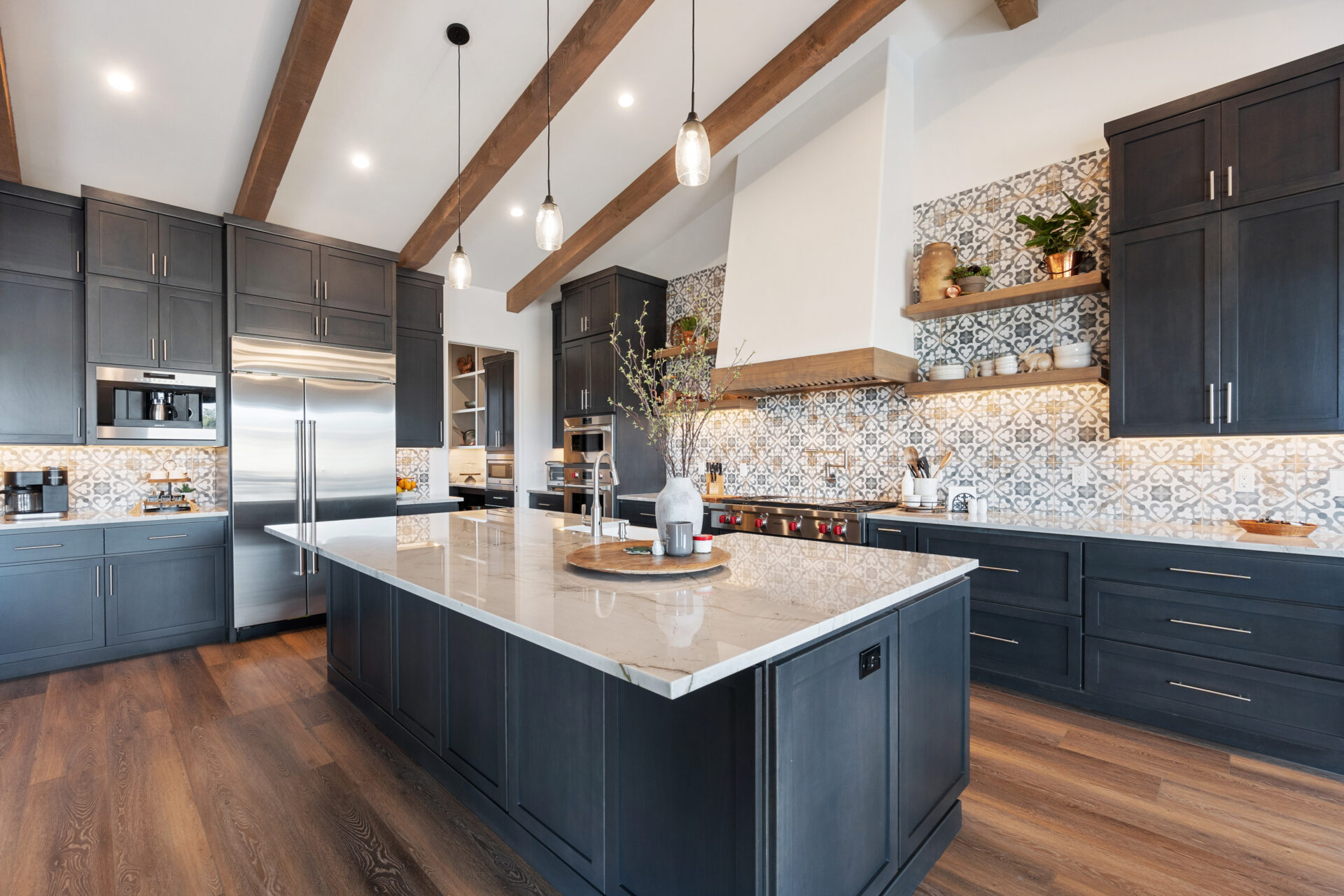
As householders look to improve their homes, they frequently come across many different types of services tailored to different needs and preferences. These options can be widely classified into several types, each focusing on particular areas of house upgrades. Renovating the kitchen involves updating appliances, cabinetry, and floor plans to improve usability and aesthetics. Bathroom upgrades generally mean improving the fittings, tiles, and organizational units for better convenience and style.
Whole-home remodeling encompasses significant changes throughout the residence, frequently involving changing the structure to make the most of the space and layout. Exterior remodeling services, in contrast, aim to improve curb appeal, handling the exterior walls, roofing, and the garden design. Additionally, specialized services such as completing the basement and loft remodeling enable property owners to utilize fully unused areas. Every renovation category offers unique benefits, letting residents pick services that fit their desired outcome for their living environment. Knowing these variations is essential when making informed decisions throughout the remodeling project.
Creating an Attainable Financial Limit for Your Renovation Undertaking
How can homeowners guarantee their renovation work stays economically sound? Establishing a realistic budget is crucial. It is advisable for homeowners to begin by assessing their monetary resources, including savings and potential financing options. This preliminary action will help determine the funds available for the renovation while maintaining other fiscal obligations.
Afterward, those undertaking the remodel should research the costs associated with their desired renovations, including materials, labor, and surprise expenses that tend to crop up. Making an exhaustive list of needs will assist in distinguishing essentials from desirable features, enabling modifications if the finances are strained.
It's wise to include a contingency fund, typically around 10-20% of the total budget, to cover unexpected costs. Periodically examining and tweaking the budget during the renovation project can also help maintain financial control. Finally, a thoroughly prepared budget ensures the project is feasible but also improves the entire renovation process for property owners.
Finding the Best Contractor for Your Needs.
Choosing the appropriate professional has a major influence on how well a renovation turns out. Homeowners should begin by performing extensive investigation, looking for suggestions from acquaintances, relatives, or web feedback. It’s vital to verify credentials, such as licenses, insurance, and surety bonds, to confirm legitimacy.
Once potential contractors are identified, homeowners should request detailed estimates and timelines, facilitating well-grounded side-by-side evaluations. Meeting with them offers a look at their manner of communicating and their professional conduct, that are key to a cooperative effort.
Furthermore, examining previous work via portfolios or referrals shows the builder's standard of work. Homeowners should also inquire about warranties or guarantees, indicating the builder's certainty about their services.
In the end, choosing a professional who matches the homeowner's goals, finances, and schedule fosters a more positive remodeling experience, making certain the outcome satisfies needs and successfully updates the home's interior.
Planning and Designing Your Perfect Area.
As those renovating imagine their desired rooms, meticulous organization and deliberate design become essential components of a triumphant renovation effort. The initial phase includes assessing present requirements and long-term goals, allowing for a thorough understanding of how the space will be used. It is important for homeowners to weigh practicality, visual appeal, and personal style, to guarantee the design showcases their individual tastes.
Subsequently, establishing a thorough budget is crucial. This budget should account for supplies, workforce costs, and possible unexpected costs. Engaging with design professionals can give meaningful advice, assisting in improving the layout while adhering to budgetary constraints.
Including features such as ample daylight, open layouts, and sustainable materials can elevate the living environment. In conclusion, visualizing the project through drawings or computer models can aid in refining ideas prior to construction. When handling the initial design phase deliberately, homeowners can build a comfortable, effective space customized for their needs.
Navigating Permits and Regulations in House Renovation
Understanding the complexities of permits and regulations can be challenging for homeowners embarking on a renovation. Each municipality has specific rules that dictate what is permissible during renovations, typically guided by zoning laws, construction standards, and safety standards. It is essential for homeowners to understand local regulations so they don't incur hefty fees or construction hold-ups.
Typically, obtaining permits is crucial for significant alterations, such as modifying load-bearing elements or electrical work. This process usually necessitates providing designs for examination and might demand site visits at different phases.
Engaging a knowledgeable contractor can make this procedure easier, as they are often familiar with local codes and can aid in filing necessary forms. Homeowners should also keep communication open with the city's regulatory body to verify legality throughout the project. By grasping and navigating these regulations, homeowners can fulfill their improvement aims while guaranteeing that the work is safe and legal in their renovations.
Common Queries
How Long Does a Typical Home Remodeling Project Take?

A standard home renovation generally requires between three to six months, depending on the scope of work, size of the home, and material lead times. More involved renovations might need extra time for completion.
What are the common mistakes that people make throughout the renovation process?
Typical pitfalls in the remodeling process are things like miscalculating costs, not securing the required permissions, overlooking timelines, failing to communicate effectively with contractors, and failing to think about long-term functionality. Awareness of these pitfalls can lead to a more efficient, more successful renovation project.
What's the best way to select the best supplies for the job?
Choosing the right materials means considering durability, visual appeal, and cost constraints. Researching options, getting expert advice, and thinking about upkeep will significantly help in making informed decisions, making sure the renovation matches your needs and preferences.
Can I live in my home during renovations?
Yes, one can live on the premises while work is ongoing, but it could be uncomfortable. Detailed organization, maintaining open dialogue with your builders, and creating defined spaces for essential activities will reduce the inconvenience throughout the project.
What warranties should I expect from the renovation company?
Homeowners should expect warranties covering workmanship, consult now materials, and key building elements, typically ranging from one to ten years. It is essential to examine the fine print and details with contractors to understand coverage and limitations fully.